
3-Day Mahoma Loop Nature Trail


Expedition Overview
The 3-Day Mahoma Loop is the ultimate introductory trek for nature lovers, hikers, and birdwatchers. This beautiful circuit provides a spectacular introduction to the “Mountains of the Moon” without the physical demands of high-altitude technical climbing.
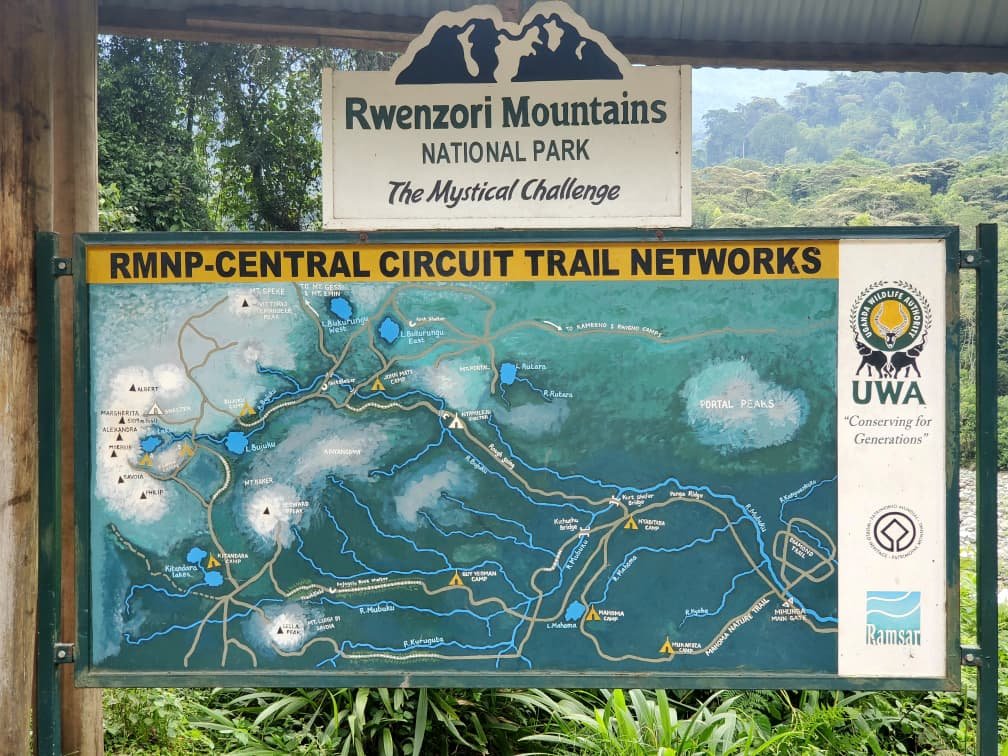
Starting at the Nyakalengija basecamp, you will ascend through rich montane forests, passing by the Kyambogo ridge. Trek through the dense, atmospheric bamboo zones that eventually give way to giant heather and moss-draped Afro-Alpine vegetation. The absolute highlight of the trip is camping alongside the crystal-clear waters of Lake Mahoma, the largest crater lake in the Rwenzori range, before descending via a scenic ridge back to civilization.
What’s Included
- UWA Park Entrance Fees
- Certified Local Bakonzo Guides
- Mountain Hut/Tent Accommodations
- All Meals on the Trek
- Standard Porter Support (15kg)
- UWA Rescue Fee
- International Airfare & Visas
- Sleeping Bags & Personal Gear
- Guide & Porter Tips
- Comprehensive Travel Insurance
Daily Itinerary
Nyakalengija to Omukakiza Camp
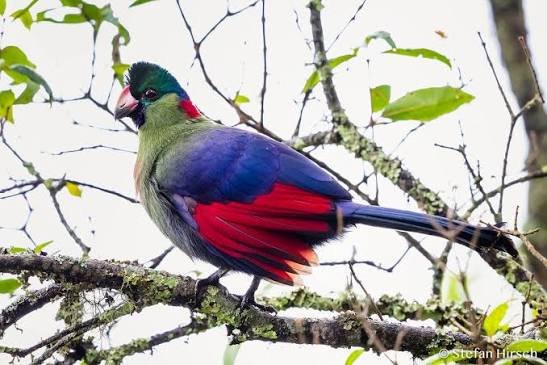
Begin your journey with a morning briefing at the park gate. The trek starts by traversing garden plots and elephant grass before entering the lush montane forest. Ascending via the Kyambogo ridge, enjoy great views of the Mubuku Valley. Keep an eye out for colobus monkeys, red-tailed monkeys, and the endemic Rwenzori turaco before arriving at Omukakiza Camp (2,977m).

Meals Included
Lunch, Dinner

Overnight
Omukakiza Camp (2,977m)
Omukakiza to Lake Mahoma
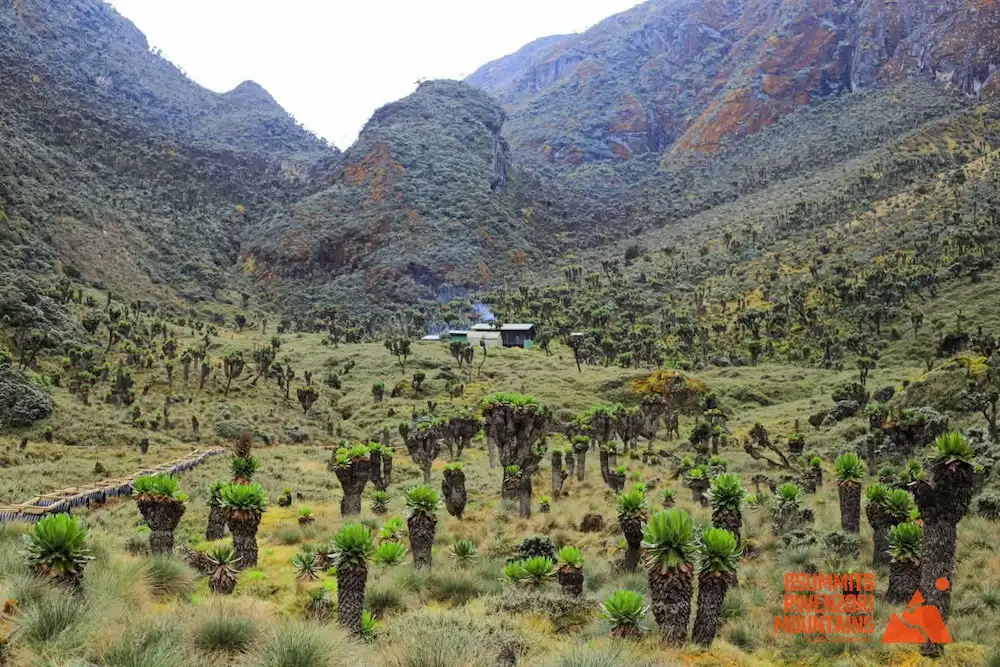
After breakfast, you’ll initially descend steeply before entering the mystical bamboo forest zone. The trail then transitions into the spectacular giant heather and moss-draped Afro-Alpine vegetation. You will trek through “elephant zones” before arriving at the beautiful Lake Mahoma (3,515m). This pristine crater lake offers stunning views and a relaxing evening atmosphere.
Meals Included
Breakfast, Lunch, Dinner
Overnight
Lake Mahoma Camp (3,515m)
Lake Mahoma to Basecamp
Enjoy a final morning walk around the lake’s perimeter. Begin your descent along the Mpanga ridge, passing the Nyabitaba ranger post, and adjoining the Mubuku valley. Keep your camera ready for the famous three-horned chameleon. The trail winds back down to the Nyakalengija basecamp to conclude your incredible short expedition.
Meals Included
Breakfast, Lunch
Onward Travel
Transfer to next destination
Recommended Accommodations
Essential Packing List
Clothing & Footwear
- Waterproof & windproof outer shell (Gore-Tex)
- Heavy down jacket (for sub-zero summit night)
- Sturdy, crampon-compatible trekking boots
- Thick thermal wool socks (3-4 pairs)
- Moisture-wicking base layers (Top & Bottom)
Technical & Trekking Gear
- 4-Season sleeping bag (-10°C / 15°F rated)
- Comfortable Daypack (30-40L)
- Waterproof gaiters (Crucial for Bigo Bogs)
- LED Headlamp with extra batteries
- UV Protection Sunglasses (Category 3 or 4)
Frequently Asked Questions
The best and most comfortable times to trek the Rwenzoris are during the dry seasons: December to February and June to August.
However, the Rwenzoris are notorious for having their own micro-climate. It can rain at any time of the year, so proper waterproof gear is absolutely essential regardless of when you book.
For Margherita Peak (5,109m), basic mountaineering experience is highly recommended but not strictly required if you are very fit and a fast learner. The final ascent involves crossing the Stanley Plateau glacier, requiring ropes, crampons, and ice axes.
Our expert IFMGA-trained guides will provide training on how to use the equipment during the trek. If you prefer to avoid the ice, our Central Circuit trek offers incredible high-altitude views without the technical glacier climbing.
Altitude Sickness can affect anyone, regardless of fitness level. Our itineraries are specifically designed with slow ascents to promote proper acclimatization.
Our guides are trained in wilderness first aid and carry oxygen saturation monitors. We recommend drinking 3-4 liters of water daily on the mountain and walking slowly ("pole pole"). You may also consult your doctor about altitude medications like Diamox before your trip.
Accommodation consists of basic but sturdy wooden mountain huts equipped with bunk beds and mattresses. You will need to bring your own warm sleeping bag.
Our expedition cooks prepare hearty, high-carb, and nutritious meals to keep your energy up. Breakfasts usually include porridge, eggs, and toast. Dinners consist of hot soups, pasta, rice, potatoes, and fresh vegetables. We can accommodate vegetarian, vegan, and gluten-free diets if informed in advance.
More From Our Blog
Rwenzori Mountains and UNESCO World Heritage Status
International Designation UNESCO World Heritage Site 684 Official Designation 1994 Year Inscribed Natural Heritage Type 99,600 ha Protected Area Outstanding Universal Value A Protected Global Treasure The Rwenzori Mountains are
Rwenzori Mountains National Park
Uganda Wildlife Authority Rwenzori Mountains National Park Protecting 99,600 hectares of Africa’s most extraordinary mountain ecosystems, from dense tropical forests to equatorial glaciers. 1991 Year Established 99,600 ha Protected Area
CONSERVATION OF THE RWENZORI MOUNTAINS
Safeguarding Natural Heritage Conservation of the Rwenzori Protecting a masterpiece of biodiversity, from life-sustaining watersheds to endangered Albertine Rift wildlife and ancient alpine flora. 1991 Park Established 1994 UNESCO Inscription