
Culture Around the Rwenzoris
The mountains have played a central role in shaping the identity, beliefs, and traditions of the people who live in their shadow.
Bakonzo & Batoro
Major Communities
Ekizina
Traditional Dance
Agriculture
Core Livelihood
Oral History
Preserved Traditions
The People of the Mountains
The Rwenzori Mountains are not only an important natural landscape but also an area of rich cultural heritage. Communities living around the mountains have developed strong relationships with the land, forests, rivers, and peaks over many generations.
The Bakonzo People
The Bakonzo, also known as the Konzo people, traditionally live on the western and southern slopes, particularly in the Kasese area. They are deeply connected to the mountains, which have historically provided land for cultivation, forests, and water. Agriculture is a central part of their life.
The Batoro People
Living mainly on the eastern side of the Rwenzori and in the wider Tooro region, the Batoro have a long history associated with the Kingdom of Tooro. Traditional institutions, including the Omukama (King), continue to play a vital cultural role in their society.
Bwamba & Babwitsi
Communities living around the northern and western parts of the Rwenzori have developed ways of life perfectly adapted to the mountainous environment. Their cultural traditions encompass farming, livestock keeping, music, and profound traditional knowledge about local plants.
Music, Dance & Daily Life
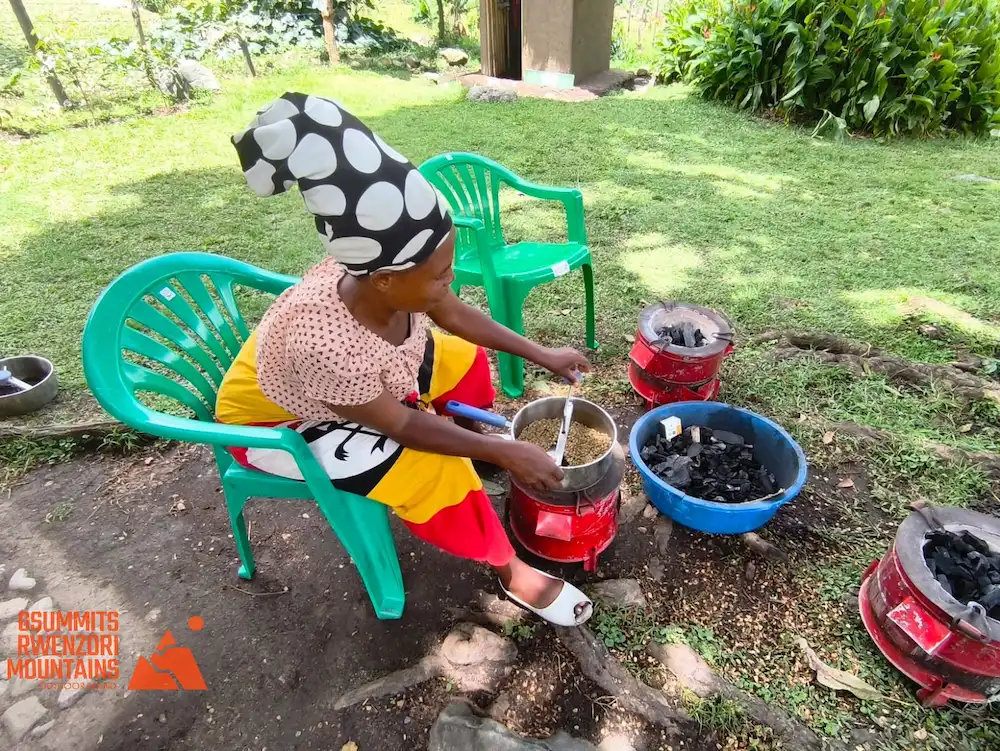
Music and dance are essential forms of cultural expression around the Rwenzori, commonly associated with celebrations, weddings, and festivals like the Rwenzori Cultural Festival. Traditional performances, such as the lively Ekizina dance of the Bakonzo, often involve drums, flutes, xylophones, and thumb pianos (likembe).
The culture is also deeply rooted in daily practices:
- Agriculture: Growing bananas, beans, cassava, and coffee.
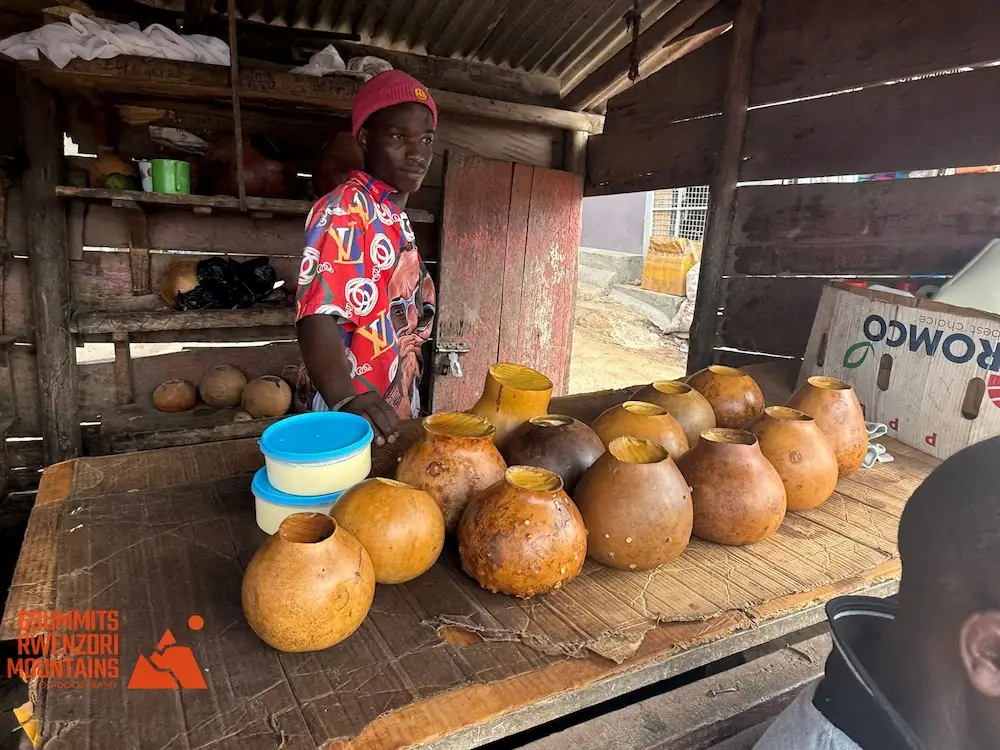
- Food: Banana-based foods and traditional beverages.
- Crafts: Basketry, weaving, pottery, and wood carving.
- Language: Lhukonzo and Runyoro-Rutooro.
- Housing: Historically using grass, wood, poles, and clay.
- Medicine: Utilizing forest plants, roots, and bark.
Beliefs and Society
Spirituality & The Mountains
Traditional beliefs have historically associated particular natural places—mountains, forests, rivers, and caves—with profound spiritual significance. The “Spirit of the Rwenzori” symbolizes strength and the sacred connection between humans and nature.
Oral Tradition & Storytelling
Before written records, history was preserved through oral tradition. Elders pass down stories, legends, songs, and proverbs explaining the origins of places and communities, helping to preserve collective memory.
Traditional Leadership
Leadership has historically been vital. Among the Batoro, the Omukama heads the Kingdom of Tooro. Among the Bakonzo, traditional institutions play key roles in organizing communities and preserving customs and language.
Family & Marriage
Marriage ceremonies involve families from both sides, exchanges of gifts, and advice from elders. The extended family plays a crucial role in raising children and preserving cultural values, with a strong emphasis on respect for elders.
Challenges & Preservation
Protecting cultural heritage in a changing world requires deliberate action.
Modern Challenges
Modernization & Urbanization
Young people increasingly adopt modern lifestyles, potentially reducing the use of traditional practices and languages.
Environmental Degradation
Damage to the mountain ecosystem directly threatens traditional agriculture, medicine, and livelihoods.
Commercialization
Economic pressures can lead to the commercialization of cultural practices, risking the loss of authentic meaning.
Cultural Preservation
Actionable strategies to protect and celebrate Rwenzori heritage.
- Teaching local history in schools
- Recording oral histories from elders
- Supporting traditional music, dance & festivals
- Promoting local languages (Lhukonzo, Runyoro-Rutooro)
- Preserving traditional knowledge of plants
- Establishing cultural centres and museums
- Promoting responsible, respectful cultural tourism
A Cultural Landscape
The culture around the Rwenzori Mountains is diverse and closely connected to the natural environment. Communities such as the Bakonzo, Batoro, and Bwamba/Babwitsi have developed distinctive traditions shaped by the mountains, forests, rivers, and fertile agricultural lands.
The Rwenzori should therefore be understood not only as a mountain ecosystem but also as a profound cultural landscape. Protecting its forests, wildlife, and water resources is inextricably linked to preserving the cultural traditions and livelihoods of the communities that have called these mountains home for generations.