
Conservation of the Rwenzori
Protecting a masterpiece of biodiversity, from life-sustaining watersheds to endangered Albertine Rift wildlife and ancient alpine flora.
1991
Park Established
1994
UNESCO Inscription
99,600 ha
Protected Area
Uganda & DRC
Transboundary Region
An Ongoing Responsibility
The Rwenzori Mountains are one of Uganda’s most important natural heritage areas. Conservation here involves a complex balance of protecting exceptional biodiversity and crucial water resources, while actively working with surrounding communities and responding to the urgent threat of climate change.
Wildlife Protection
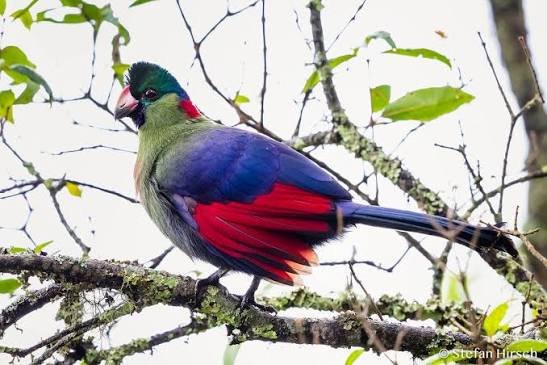
The park is a sanctuary for species with restricted distributions and Albertine Rift biodiversity.
- African forest elephants
- Eastern chimpanzees
- Rwenzori duiker & colobus
- Anti-poaching ranger patrols
Flora & Forests
Safeguarding distinct vegetation zones from Montane forest up to the Afro-alpine belt.
- Preventing illegal tree cutting
- Protecting giant lobelias & heathers
- Combating invasive species
- Habitat restoration
Water Catchments
The mountain functions as a critical watershed for surrounding communities and river systems.
- Maintaining intact park boundaries
- Protecting high-altitude wetlands
- Regulating rainfall capture
- Preventing severe soil erosion
Active Management Strategies
Research & Ecological Monitoring
Scientists and park authorities continuously monitor wildlife populations, forest conditions, glacier retreat, and water quality to make data-driven management decisions.
Fire Management
To protect vegetation from fires originating outside the park, management utilizes fire lines, vegetation clearance along boundaries, and rigorous community education.
Controlling Illegal Activities
Armed park rangers and community teams conduct regular patrols to address the threats of illegal timber extraction, poaching, and unregulated resource use.
Management Plans (2016–2026)
A comprehensive General Management Plan guides UWA activities, balancing environmental protection, financial sustainability, and tourism development.
Communities & Cooperation
Successful conservation requires deep cooperation. People living around the Rwenzori depend on its natural resources. UWA utilizes collaborative management, offering environmental education, alternative livelihoods, and regulated plant-resource use.
Ecotourism provides vital revenue that supports park management and creates local jobs (guides, porters, accommodation). However, UNESCO emphasizes this must remain low-impact to protect the site’s Outstanding Universal Value.
Transboundary Conservation: The ecosystem connects directly to Virunga National Park in the DRC. Cross-border cooperation is essential to protect wildlife movements and habitats across the international boundary.
The Path Forward
Addressing modern environmental pressures requires a coordinated, multi-faceted approach.
Major Conservation Challenges
Climate Change & Glacier Retreat
Warming temperatures alter high-altitude vegetation zones and threaten the existence of the glaciers.
Population & Resource Pressure
Growing populations increase demand for agricultural land, leading to illegal tree cutting and poaching.
Floods and Landslides
Heavy rainfall (exacerbated by climate change) damages habitats, bridges, and tourism infrastructure.
Tourism Pressure
Increasing foot traffic must be managed to prevent waste accumulation and habitat disturbance.
Ways of Improving Conservation
Strategic actions to strengthen the protection of the Rwenzori ecosystem.
- Increase community participation & education
- Strengthen ranger patrols & wildlife monitoring
- Protect forests & wetlands outside park borders
- Promote responsible ecotourism & waste management
- Monitor glacier recession & climate impacts
- Strengthen Uganda–DRC transboundary cooperation
- Maintain disaster preparedness (floods/fires)
Securing the Future
Conservation of the Rwenzori Mountains is essential. The establishment of Rwenzori Mountains National Park in 1991 and its designation as a UNESCO World Heritage Site in 1994 created a vital framework for protecting these exceptional resources.
However, conservation remains an ongoing responsibility. Population pressure, illegal resource use, climate change, fires, and floods require continuous attention. The future of the Rwenzori depends on effective cooperation among the Uganda Wildlife Authority, local communities, researchers, conservation organizations, tourists, and the governments of Uganda and the DRC.
Protecting the Rwenzori Mountains today will help ensure that their forests, wildlife, plants, glaciers, and water resources remain available for future generations.