
Rwenzori Mountains National Park
Protecting 99,600 hectares of Africa’s most extraordinary mountain ecosystems, from dense tropical forests to equatorial glaciers.
1991
Year Established
99,600 ha
Protected Area
5,109m
Max Elevation
UNESCO
World Heritage Site
Protecting the Mountains of the Moon
Established in 1991, the Rwenzori Mountains National Park protects a large part of the mountain range along the Uganda-DRC border. Managed by the Uganda Wildlife Authority (UWA), the park serves as a vital sanctuary for rare plants, endemic wildlife, and critical water catchments.
The Altitudinal Zones
One of the major reasons for protecting the Rwenzori is its extraordinary vegetation, which changes dramatically according to altitude.
Montane Forest
The lower areas of the park contain dense montane forests rich with trees, shrubs, ferns, and mosses. This zone provides the primary habitat for mammals like the African forest elephant and Eastern chimpanzee.
Bamboo Zone
As elevation increases, the forest transitions into dense bamboo vegetation. This zone is critical for soil stabilization and provides unique habitats for specialized mountain wildlife.
Afro-Alpine & Heather
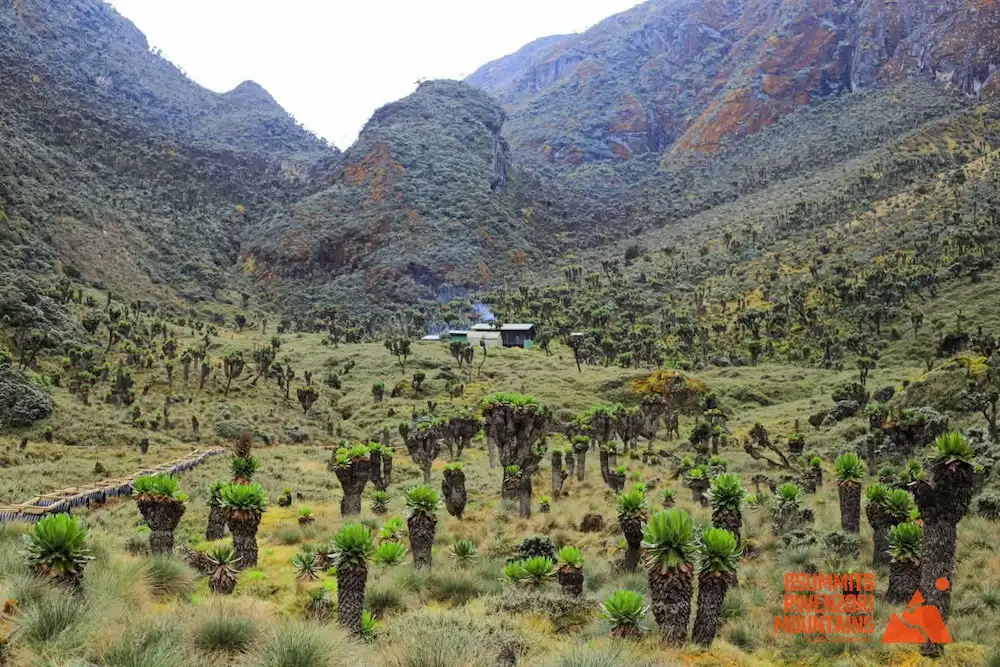
Higher still, the environment becomes harsh. Giant heathers, lobelias, and groundsels dominate the landscape. These unusual, ancient-looking plants contribute to the distinctive appearance of the Rwenzori.
Glaciers & Snow
The highest peaks (Stanley, Speke, Baker) historically support glaciers. The presence of ice near the Equator is a remarkable feature, though significant retreat makes this zone a subject of intense scientific research.
Tourism & Local Communities
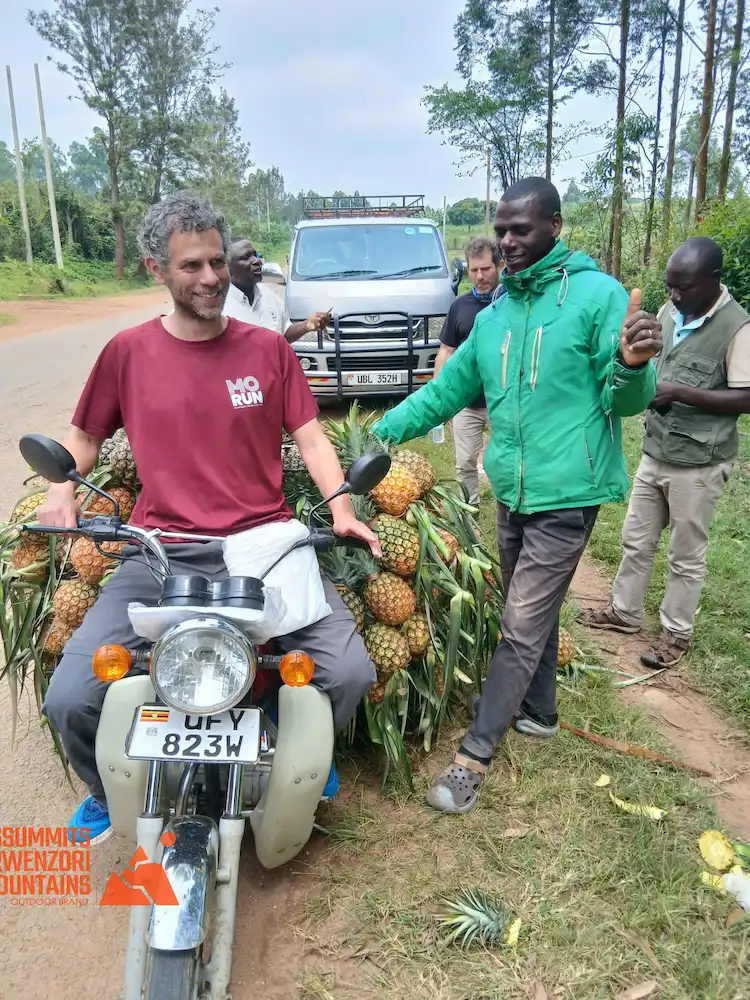
The national park is not just a sanctuary for nature; it is deeply intertwined with human activity. Tourism, driven by experienced mountaineers and nature lovers, generates vital income and employment.
Furthermore, communities such as the Bakonzo and Batoro have long-standing relationships with the mountain landscape. The park provides opportunities related to:
- Guiding & Porter Services
- Accommodation & Lodging
- Agriculture & Handicrafts
- Cultural Tourism
- Traditional Medicine
- Community Conservation
Conservation & Threats
Effective management requires balancing conservation with human activities and environmental changes.
Current Threats
Climate Change
Changes in temperature affect glaciers, high-altitude vegetation, and wildlife habitats.
Illegal Resource Use
Illegal tree cutting, hunting, and collection of natural resources damage the ecosystem.
Population Pressure
Growing populations around the park increase demand for land and resources.
Fires & Floods
Fires threatening vegetation and heavy rainfall causing landslides and flooding.
UWA Management
The Uganda Wildlife Authority executes a General Management Plan to combat these threats.
- Ranger Patrols & Law Enforcement
- Wildlife & Ecological Monitoring
- Community Conservation Programmes
- Responsible Tourism Management
- Fire Management & Prevention
- Cooperation with DRC Protected Areas
Preserving Uganda’s Natural Heritage
Rwenzori Mountains National Park is one of Uganda’s most valuable protected areas. It protects critical mountain catchments and water systems, stores massive amounts of carbon, and provides opportunities to study ecology, glaciers, and wildlife.
However, conservation remains an ongoing responsibility. The future of the park depends on strong government management, scientific research, community participation, and responsible tourism to ensure the protection of the mountain’s unique natural resources for generations to come.