
Wildlife of the Rwenzoris
70+ Species
Mammals Recorded
217 Species
Birdlife Recorded
Endemism
Albertine Rift Zone
Protected
UNESCO Heritage Site
Life on the Slopes
The Rwenzori Mountains support a remarkable diversity of wildlife because of their wide range of altitudes, climate, and vegetation.
Rwenzori Mountains National Park protects a large part of the Ugandan section of the mountain range. UNESCO identifies important threatened mammals here, including the African forest elephant, eastern chimpanzee, and L’Hoest’s monkey.
The Rwenzori is especially important for species associated with the Albertine Rift. Because of the rugged, steep, and densely forested terrain, many of the larger mammals are highly elusive and difficult to observe, adding an element of mystery to every trek.
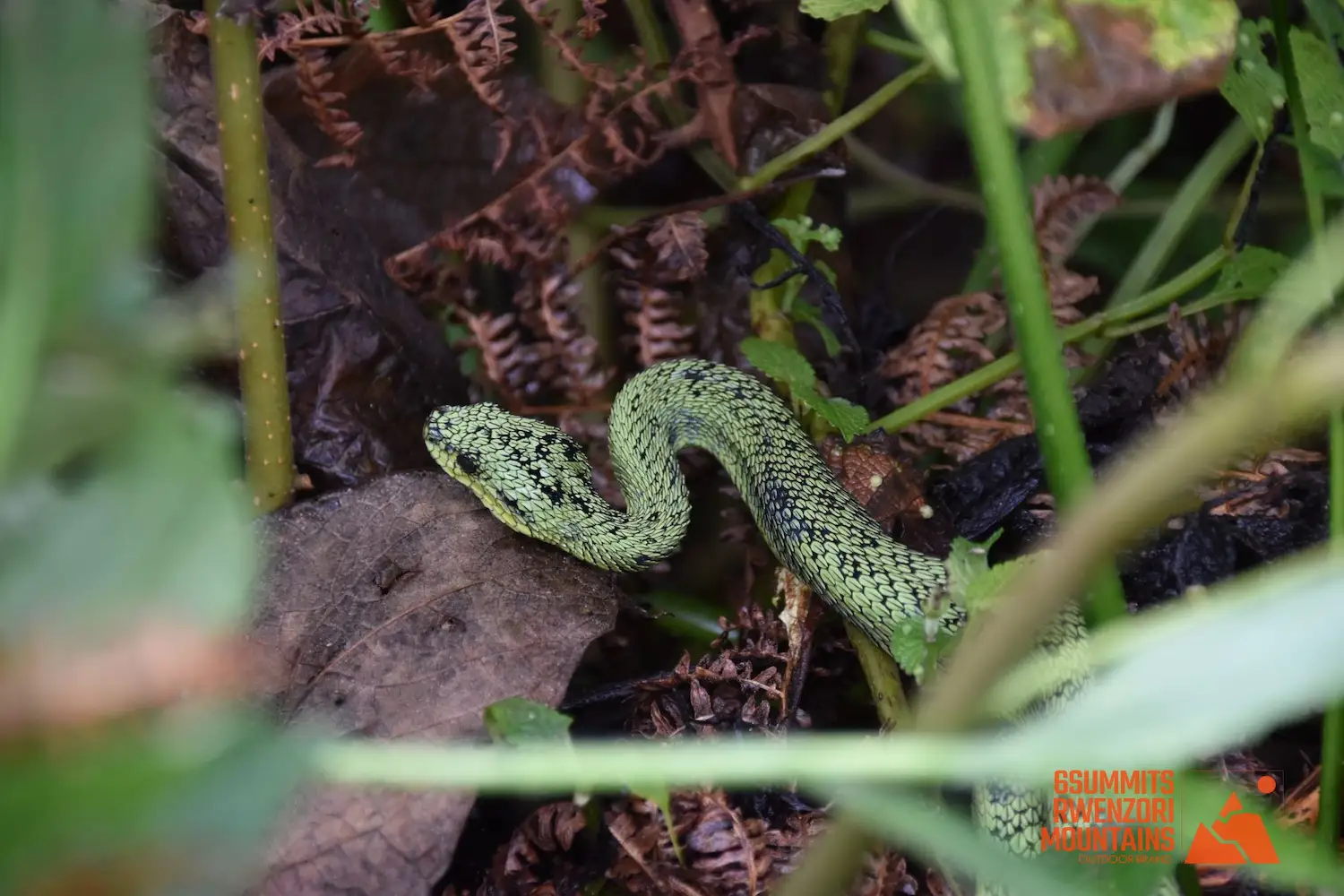
The Major Wildlife Categories
From elusive forest mammals to rare Albertine Rift endemic birds, the park protects a stunning array of fauna.
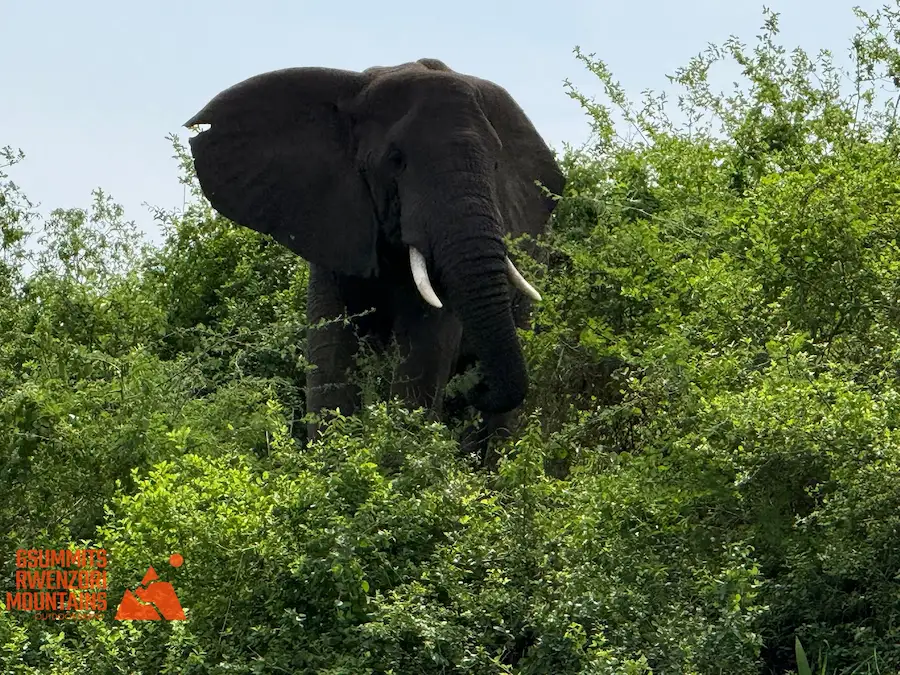
Forest Mammals
While difficult to spot in the dense vegetation, roughly 70 mammal species roam the lower slopes. The Rwenzori duiker is particularly important, as it appears to be entirely restricted to this mountain range.
- African Forest Elephant
- Rwenzori Duiker (Endemic)
- Rwenzori Leopard & Hyrax
- Giant Forest Hog
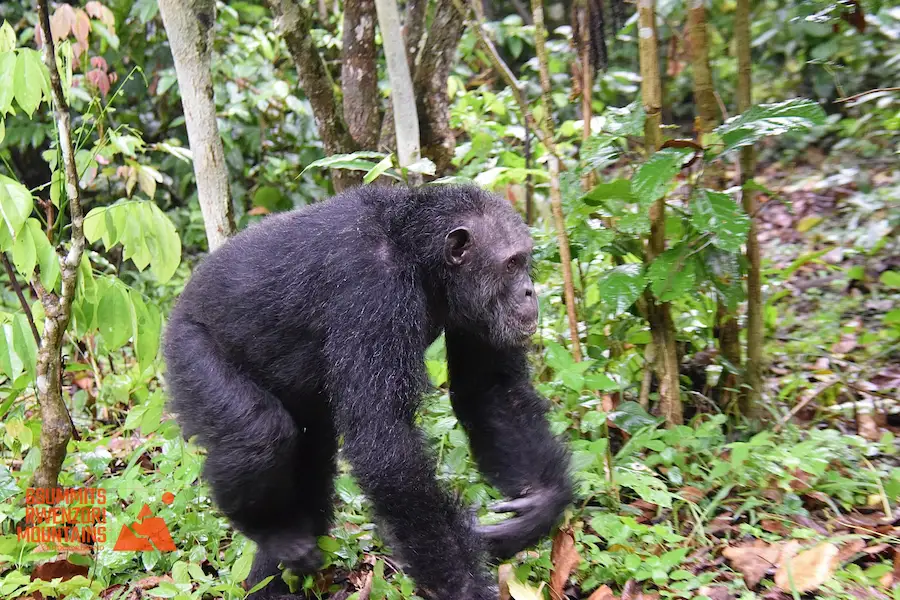
Primates
The montane forests provide excellent habitats for several primate species. The Rwenzori colobus is particularly interesting because a distinctive Rwenzori form occurs uniquely in these mountains.
- Eastern Chimpanzee
- Rwenzori Colobus Monkey
- L’Hoest’s Monkey
- Blue Monkey
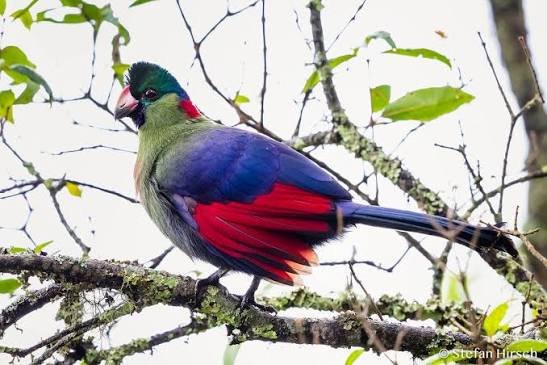
Avifauna (Birds)
Birdlife is an outstanding feature. Recognized as an Important Bird Area (IBA), the park hosts 217 species, including many restricted to the Albertine Rift. The Rwenzori turaco is a highly sought-after sighting.
- Rwenzori Turaco
- Handsome Francolin
- Blue-headed Sunbird
- Archer’s Robin-chat
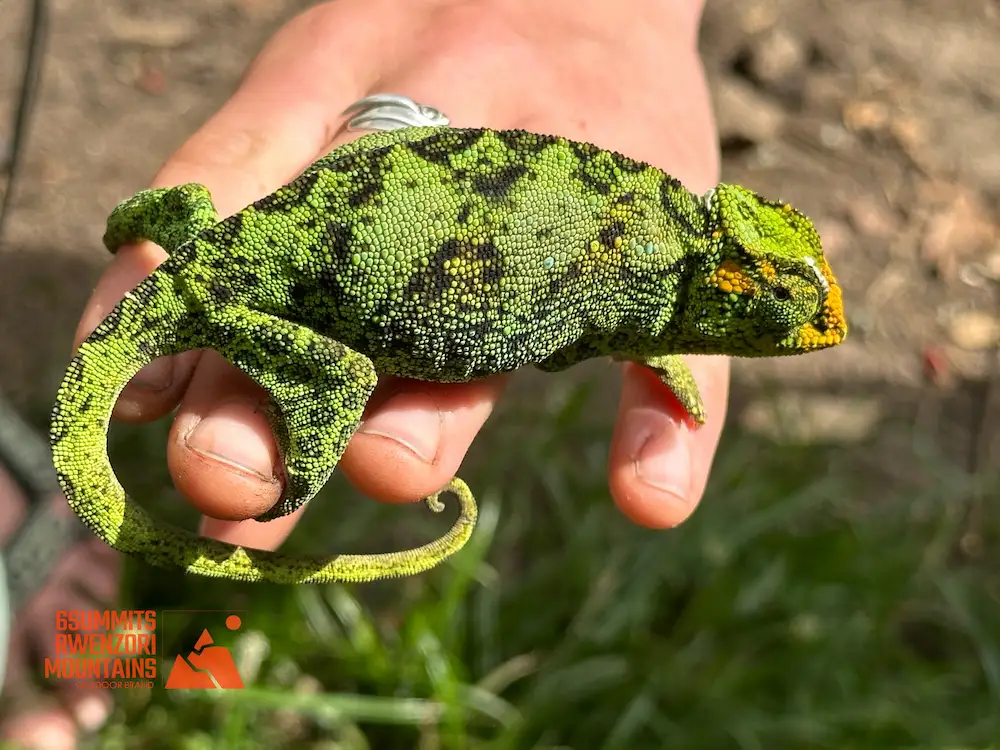
Reptiles & Invertebrates
The humid forests and wetlands support species adapted to cool, wet conditions. The legendary Three-horned chameleon is a highlight for many trekkers, alongside a vast array of butterflies and moths.
- Three-horned Chameleon
- Rwenzori Range Frog
- Montane Butterflies
- Endemic Beetles & Spiders
Wildlife by Altitude
Animal distribution is strictly dictated by the mountain’s severe elevation changes.
Lower Forest Zone
Habitats for larger mammals, primates, and most bird species. Elephants and chimps are found here.
Bamboo & Heather
As the forest transitions, wildlife becomes more specialized to survive the increasingly colder, mistier conditions.
Afro-Alpine Zone
Above 3,500m, the harsh environment supports very few large mammals. Specialized rodents and insects dominate.
Glacier Zone
The highest elevations contain rocky terrain and ice. Animal life is virtually non-existent due to extreme cold.
Endemism & Conservation
The Rwenzori Mountains are an important centre of wildlife diversity in East Africa. The presence of rare, threatened, and geographically restricted species—like the Rwenzori duiker and Rwenzori turaco—makes conservation of this region extremely important.
Wildlife in the Rwenzori faces challenges from climate change (which alters the delicate altitudinal habitats), forest degradation, and illegal hunting. However, the establishment of the National Park and its UNESCO World Heritage status provides crucial legal protection.
Protecting the forests and other habitats helps preserve not only this incredible wildlife but also the ecological systems and water resources on which surrounding communities depend.